
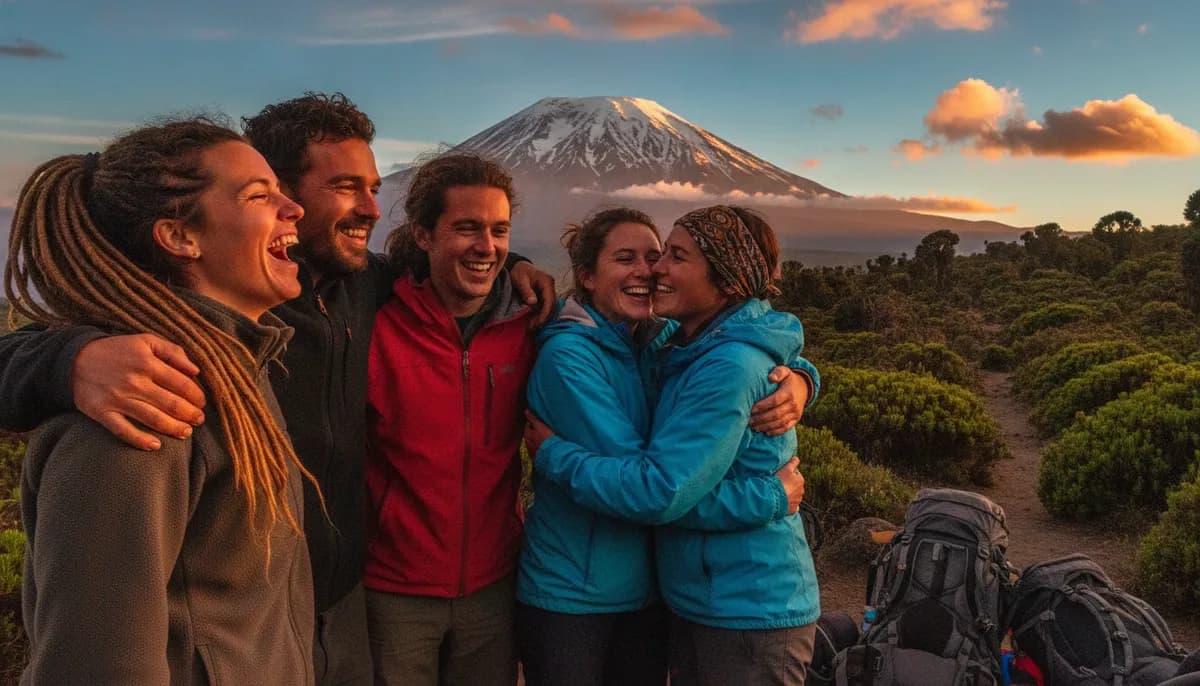
6-Day Self-Launched Tanzania Great Migration Safari (Arusha–Manyara–Ndutu–Serengeti–Ngorongoro–Tarangire)
6 days · Tanzania
Seven Wonders Safaris charges £2,450
No-markup version: ~£1,180 per person
Estimate only, not a guaranteed price. Always verify costs independently before booking.
A self-launched version of Seven Wonders Safaris' 6-day Northern Circuit migration safari (December–May calving season in Ndutu), built independently rather than as a private fully guided tour. You'll base yourself in Arusha, then join a small-group scheduled camping/budget-lodge safari (or assemble it yourself: shared 4x4 with a driver-guide, public campsites, park fees paid directly via TANAPA) covering Lake Manyara, the Ndutu plains, Serengeti, Ngorongoro Crater and Tarangire. The key money-saving tricks: travel in the low/shoulder season (April–May) when park fees and campsites are cheaper and herds are still in Ndutu, join a scheduled shared departure instead of a private vehicle, and book a Maasai village visit directly in Karatu/Ngorongoro highlands rather than as a tour add-on. All figures are approximate backpacker/budget estimates in GBP and exclude international flights.
Day-by-day
Arusha → Lake Manyara National Park
Arusha / Lake Manyara
Meet your shared 4x4 and driver-guide in Arusha at 08:00 (most scheduled budget safaris depart from a central Arusha hotel or Clock Tower area — confirm your pickup point the night before). Drive ~2 hours west along the Great Rift Valley escarpment to Lake Manyara. Afternoon game drive through the groundwater forest: tree-climbing lions (if lucky), baboon troops, flamingos on the lakeshore and big elephant families. Eat your packed picnic lunch at a signed picnic site inside the park. Overnight in Karatu or Mto wa Mbu at a budget guesthouse or public campsite. Practical tip: park entry, camping and crater fees are all paid by your operator, but ask for an itemised breakdown so you can see you're not being marked up.
🚌Shared safari 4x4 from Arusha, ~2 hrs to Lake Manyara; park fees and vehicle included in the shared-safari price
🛏Budget guesthouse or public campsite in Karatu / Mto wa Mbu (shared tent or twin room, ~£25 pp)
- →Lake Manyara National Park game drive
- →Picnic lunch at a park picnic site
- →Great Rift Valley escarpment viewpoint stop
Karatu → Ndutu Area (migration herds)
Ndutu / Ngorongoro Conservation Area
Early breakfast and drive via the Ngorongoro highlands and Naabi–Ndutu corridor to the Ndutu plains, where the wildebeest calving herds concentrate from December to May. Long afternoon game drive among thousands of wildebeest and zebra, with cheetah, hyena and lion following the herds. Picnic lunch in the field. Overnight at a budget camp or simple lodge in Ndutu or the Ngorongoro Conservation Area — note that Ndutu sits in the NCA, so your conservation fee is separate from Serengeti park fees. Booking tip: if you are assembling this yourself, email 2–3 Arusha operators for a shared-departure quote on your exact dates and compare the park-fee line items.
🚌Shared 4x4, ~3–4 hrs including stops; Ngorongoro Conservation Area transit fee
🛏Budget safari camp in Ndutu / NCA (public campsite or simple tented camp, ~£30 pp)
- →Ndutu area game drive
- →Picnic lunch in the field
- →Ngorongoro highlands viewpoint
Into the Serengeti: Gol Kopjes & Namiri Plains
Serengeti National Park
Drive from Ndutu into Serengeti National Park via Naabi Hill Gate. Spend the day exploring the Gol Kopjes — granite outcrops famous for big-maned lions and cheetah — and the Namiri Plains grassland, one of the best cheetah areas in East Africa. Your guide should be willing to do slow, patient wildlife watching rather than rushing between sights. Overnight at a public campsite inside the park (Nyani, Simba or similar) — camping inside Serengeti saves the cost of driving out to the gate each day.
🚌Shared 4x4 through Naabi Hill Gate; Serengeti park fees (conservation + entry) are the single largest cost of the trip
🛏Serengeti public campsite (bring your own tent / included in safari price, ~£25 pp)
- →Serengeti game drive
- →Gol Kopjes visit
- →Namiri Plains cheetah spotting
Full-day Serengeti game drives
Serengeti National Park
Full-day game drive with a packed breakfast or early picnic lunch, out from dawn to late afternoon. Central Serengeti (Seronera Valley) is reliable for leopard in the riverine trees, plus lion prides, elephant, giraffe and hippo pools. Keep your own notes on what you see — self-launched travellers often skip the guide's lecture but you'll want a cheap pair of binoculars (bring from home, ~£25) and a wildlife app. Evening back at camp, cooking or eating the camp meal.
🚌Shared 4x4 with driver-guide (full day, no extra transfer cost)
🛏Serengeti public campsite (~£25 pp)
- →Full-day Serengeti game drives
- →Seronera Valley leopard spotting
- →Picnic lunch in the park
Ngorongoro Crater & Maasai village
Ngorongoro Crater / Karatu
Early descent into the Ngorongoro Crater (gate opens around 06:00 — be first so you get the crater floor to yourselves). One of the only places in East Africa where you have a genuine shot at rhino; black rhino, lion, elephant, buffalo, flamingo and hippo are all possible in a single morning. Picnic lunch at Ngoitokitok Springs (watch your food — the black kites are bold). In the afternoon, arrange a direct visit to a Maasai village in the Karatu / Ngorongoro highlands — agree the contribution fee in advance (typically £20–30 pp, sometimes paid into a village fund) rather than through a tour add-on. Overnight back in Karatu or Mto wa Mbu.
🚌Shared 4x4; Ngorongoro Crater service fee + descent in a crater-rated vehicle
🛏Budget guesthouse in Karatu (~£25 pp)
- →Ngorongoro Crater game drive
- →Picnic lunch at Ngoitokitok Springs
- →Maasai village visit (arranged directly)
Tarangire National Park → Arusha
Tarangire / Arusha
Morning drive to Tarangire National Park for a final game drive among the giant baobabs and the Tarangire River — famous for big elephant herds (up to 300 strong in the dry season) and plenty of giraffe and zebra. Picnic lunch in the park, then drive ~2 hours back to Arusha, arriving around 16:00–17:00 at a central hotel or Kilimanjaro/Arusha Airport. If you're continuing south, buses to Moshi or Dar es Salaam leave from Arusha's central bus stand.
🚌Shared 4x4 to Tarangire and back to Arusha (~2 hrs); optional shared shuttle/coach onward from Arusha
🛏None included — onward travel or a budget Arusha hostel from ~£15 pp if you stay another night
- →Tarangire National Park game drive
- →Baobab and elephant herd viewing
- →Picnic lunch in the park
Self-launched vs. Seven Wonders Safaris
| This itinerary (self-launched) | Seven Wonders Safaris | |
|---|---|---|
| Price per person | ~£1,180 | £2,450 |
| Duration | 6 days | 6 days |
| Who books it | You and your group, direct | Tour operator, guided group |
| Savings | £1,270 per person (52%) | |
Estimate only, not a guaranteed price. Always verify costs independently before booking.
Want to see more Seven Wonders Safaris-style trips? Check them out here.~£1,180
estimated per person
You never pay Travel Crew for this — you pay hostels, transport, and activity providers directly, the same as if you'd booked it all yourself.
This publishes your dates so other travellers can find and join you — no tour operator needed.
Customise with Tour BusterCreated by

Travel Crew
0 trips
Frequently asked questions
How much does 6-Day Self-Launched Tanzania Great Migration Safari (Arusha–Manyara–Ndutu–Serengeti–Ngorongoro–Tarangire) cost?+
Doing it yourself with this self-launched itinerary costs an estimated £1,180 per person for 6 days in Tanzania. This is an AI-generated estimate based on typical budget-traveller prices — actual costs will vary by season and how you book.
Is this cheaper than booking with Seven Wonders Safaris?+
Yes — Seven Wonders Safaris charges around £2,450 per person for a similar tour. Doing the same route independently, using the same standard of accommodation and activities, costs an estimated £1,180 — a saving of roughly £1,270 (52%) per person.
How long is the Tanzania trip?+
This itinerary runs 6 days, covering 6 day-by-day stops through Tanzania.
How do I join this trip?+
You can join an existing open departure using this itinerary if one is scheduled, or launch your own departure with your own dates and invite other travellers to join you — no tour operator required.
Isn't it easier to just use a tour operator?+
Well, yes, a tour operator will book all the individual parts of your travel for you and provide a guide. That's obvious, but doing this has the potential to save the group thousands, which can in turn improve your itinerary substantially or save you huge amounts of money. Also, when you launch a departure, Travel Crew has tools in place to help you book the individual sections of the trip or make it easier for you to do this as a group. Really, you do not need a middle man. If you are more comfortable paying more and using a middle man, then you should certainly do this.
Is it safer to book through a tour operator?+
Arguably, there isn't much difference. A self-launched trip runs on the same principle as a group travel crew: collective responsibility, everyone looking out for each other, the same way it would if a group of friends organised the trip themselves — because that's exactly what's happening. You should always take out travel insurance before you go, self-launched or not; that doesn't change either way. Every open departure is published publicly with real dates and a real trip organiser, so it's never an anonymous arrangement, and our support team is reachable any time you need help, including in an emergency while you're away. Longer-term, we're building direct relationships with ground DMCs in popular destinations, offered as an optional paid add-on for extra on-the-ground support. Ultimately, though, the group is responsible for its own conduct and safety on a self-launched trip, same as on any trip you plan yourself.
What kind of trip is this?+
This is a adventure, wildlife, budget trip through Tanzania, self-launched rather than run by a tour operator — you organise it with a group you find or bring yourself.
Would you like to name the operator, name the trip, or have any suggestions about how to improve this itinerary?
Drop your comment below — if you've done a similar route, tell us what worked, what you'd add, or what you'd skip.
No comments yet — be the first to share your take.
Sign in to leave a comment.